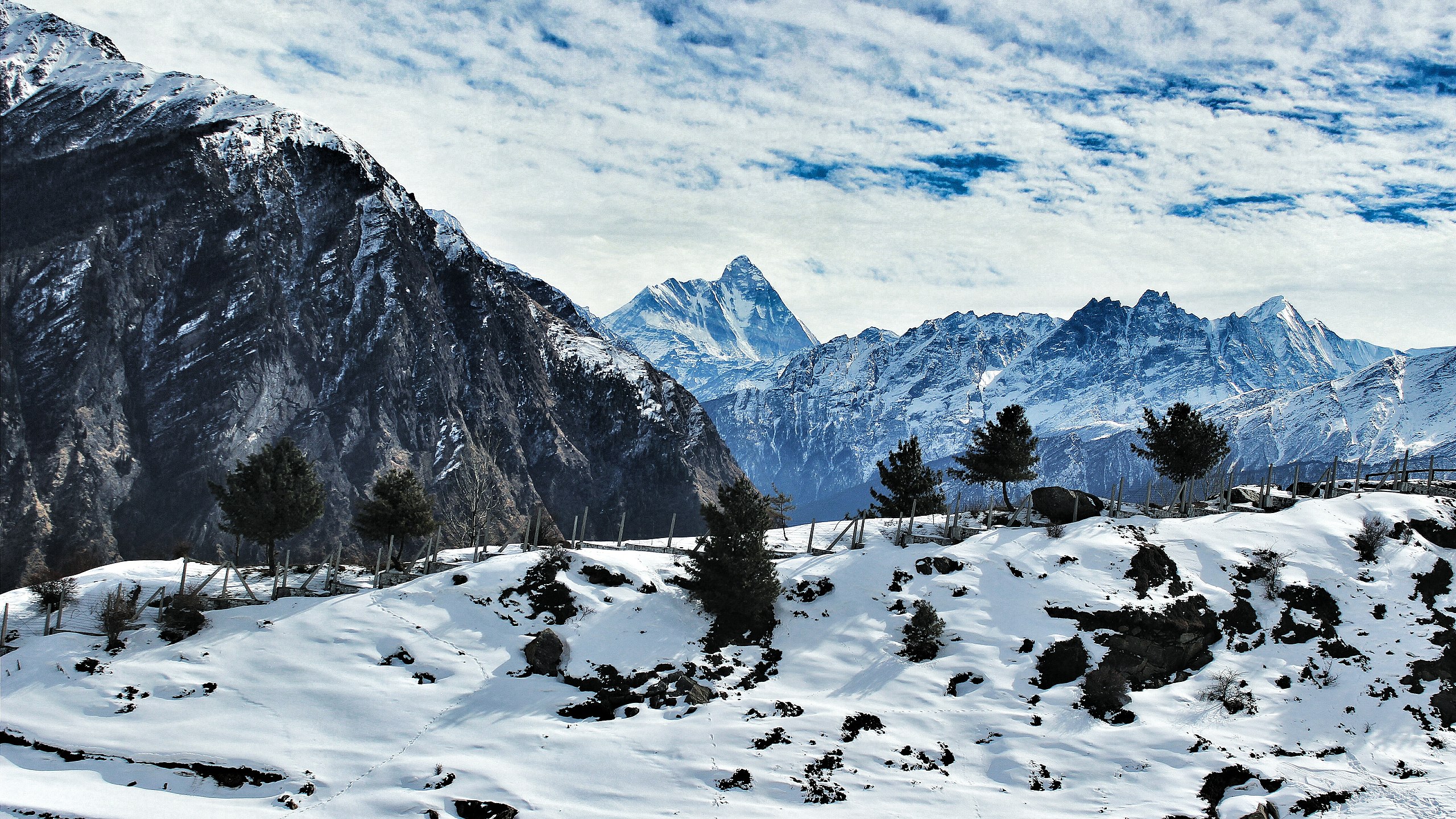
Ladakh
ལ་དྭགས། / लद्दाख
Land of High Passes - A high-altitude desert region with Buddhist monasteries, pristine lakes, and breathtaking mountain landscapes. Adventure tourism capital of India.

About Ladakh
Ladakh, meaning "Land of High Passes," became a Union Territory on October 31, 2019, carved out from the former state of Jammu & Kashmir. This high-altitude desert region sits at an average elevation of 3,500 meters, making it one of the highest inhabited places on Earth.
Known for its stark lunar landscapes, ancient Buddhist monasteries, and pristine high-altitude lakes, Ladakh offers a unique blend of Tibetan Buddhist culture and breathtaking natural beauty. The region serves as a gateway to some of the world's highest motorable passes and is renowned for adventure tourism, trekking, and spiritual retreats.
Districts of Ladakh
Leh
Capital district with Leh Palace, Shanti Stupa, major monasteries, and gateway to high-altitude passes. Main hub for tourism and administration.
Kargil
Second largest town, gateway to Zanskar valley, Suru valley, and strategic location near Line of Control. Rich in Balti culture.
Tourist Attractions
Pangong Tso
High-altitude lake at 4,350m, crystal blue waters, extends into Tibet, famous filming location.
Leh DistrictHemis Monastery
Largest monastery in Ladakh, Hemis festival, ancient Buddhist artifacts and thangkas.
Leh DistrictNubra Valley
Valley of flowers, Bactrian camels, sand dunes, Diskit Monastery, via Khardung La pass.
Leh DistrictTso Moriri
High-altitude lake, wildlife sanctuary, migratory birds, pristine mountain lake.
Leh DistrictKhardung La
World's highest motorable pass at 5,359m, gateway to Nubra and Shyok valleys.
Leh DistrictZanskar Valley
Remote valley, frozen river trek (Chadar), ancient monasteries, traditional culture.
Kargil DistrictBuddhist Heritage
Ancient Monasteries
Hemis, Thiksey, Diskit, Lamayuru - centers of Tibetan Buddhism with ancient artifacts.
Festivals
Hemis festival, Losar (New Year), masked dances, and traditional celebrations.
Spiritual Tourism
Meditation retreats, Buddhist teachings, and spiritual awakening in serene environment.
Adventure Activities
Markha Valley, Stok Kangri, Chadar frozen river trek
Leh-Manali highway, highest motorable passes
Indus and Zanskar rivers, white water rafting
Stok Kangri, Nun-Kun peaks, technical climbing
Snow leopard spotting, Hemis National Park
Culture & Traditions
Buddhist Heritage
Ancient monasteries, prayer wheels, and Tibetan Buddhist traditions in high Himalayas.
Tibetan Influence
Strong Tibetan cultural influence with traditional architecture and lifestyle.
Mountain Festivals
Hemis festival, Losar, and traditional celebrations in monastery courtyards.
Ladakhi Cuisine
Momos, thukpa, tsampa, and traditional Tibetan dishes
Barley-based dishes, yak meat, and preserved foods for harsh winters
Khambir, paba, and various barley and wheat preparations
Yak cheese, butter tea, and traditional dairy preparations
Butter tea (gur gur chai), chang (barley beer), and herbal teas
Economic Profile
UT GDP
Growing tourism-based economy
Literacy Rate
Improving education access
Adventure Tourism
Global destination
Key Industries
- Adventure Tourism
- Handicrafts & Textiles
- Agriculture & Horticulture
- Renewable Energy
Special Features
- Highest motorable passes
- Strategic border location
- Solar energy potential
- Unique high-altitude ecosystem
Notable Personalities
Sonam Wangchuk
Born 1966
Engineer, innovator, education reformer
Thupstan Chhewang
Born 1947
Politician, former MP from Ladakh
Rigzin Spalbar
Born 1958
Mountaineer, first Ladakhi on Everest
Nawang Rigzin Jora
Born 1953
Social activist, Ladakh Buddhist Association