
Assam
অসম
Land of Tea Gardens and the mighty Brahmaputra, home to one-horned rhinoceros, rich Ahom heritage, and vibrant silk traditions. Gateway to Northeast India's natural wonders.

About Assam
Assam, the gateway to Northeast India, is renowned worldwide for its tea gardens that produce some of the finest tea in the world. The mighty Brahmaputra River flows through its heart, creating fertile plains and supporting diverse ecosystems. Home to the famous one-horned rhinoceros in Kaziranga National Park, Assam is a biodiversity hotspot with rich flora and fauna.
The state has a glorious history under the Ahom dynasty, which ruled for over 600 years, successfully resisting Mughal invasions. Assam's cultural heritage is reflected in its classical dance forms like Sattriya, exquisite silk weaving traditions including Muga and Pat silk, and vibrant festivals like Bihu. The state is also known for its contributions to literature, with several Jnanpith Award winners.
Historical Journey
Ancient & Ahom Era
Assam's history dates back to ancient times with references in the Mahabharata and Ramayana. The region was known as Pragjyotisha in ancient texts and was ruled by powerful dynasties. The Ahom dynasty (1228-1826 CE), originally from present-day Myanmar, established a powerful kingdom that successfully resisted Mughal invasions for over 600 years.
The Ahoms introduced wet rice cultivation, built sophisticated irrigation systems, and developed a unique blend of Hindu-Buddhist-Tribal culture. Rangpur (now Sivasagar) became their capital, known for magnificent palaces, temples, and the famous Rang Ghar amphitheater.

Timeline Highlights

Ahom Legacy
Administrative Excellence
Developed sophisticated administrative systems, revenue collection, and military organization that lasted for centuries.
Cultural Synthesis
Blended Tai, Hindu, and indigenous tribal cultures, creating a unique Assamese identity that persists today.
Colonial & Independence Era
The British annexed Assam in 1826, bringing significant changes. Tea cultivation was introduced in 1837, transforming the economy and landscape. Assam became the world's largest tea producer and the plantations shaped the region's social and economic structure.
During India's freedom struggle, Assam played a crucial role with leaders like Gopinath Bordoloi leading the charge. The state became part of independent India on August 15, 1947, and continues to be a vital part of the nation's cultural and economic fabric.
Major Cities
Guwahati
Largest city, commercial hub, gateway to Northeast, and home to Kamakhya Temple.
Dibrugarh
Tea capital of India, oil refinery center, and major industrial hub of Upper Assam.
Silchar
Commercial center of Barak Valley, educational hub, and Bengali cultural center.
Assam Cinema & Entertainment

Assamese Cultural Entertainment
Assam's entertainment landscape is rich with traditional cultural performances, folk music, and dance forms that have been preserved through generations. While Assamese cinema has a growing presence, the state's true entertainment strength lies in its vibrant cultural festivals and traditional arts.
The Bihu festival, Assam's national festival, showcases traditional music, dance, and community celebrations. Sattriya dance, a classical dance form, and various folk performances continue to captivate audiences with their grace and cultural significance.
Cultural Entertainment Statistics

Traditional Arts
- • Sattriya classical dance
- • Bihu folk dances and music
- • Traditional instruments (dhol, pepa)
- • Cultural festivals and performances

Festivals
- • Rongali Bihu (spring festival)
- • Kongali Bihu (harvest festival)
- • Bhogali Bihu (thanksgiving)
- • Ambubachi Mela (fertility festival)

Modern Media
- • Assamese film industry growth
- • Regional cinema productions
- • Digital content and streaming
- • Cultural documentaries
Assam Literature & Arts

Literary Heritage
Assam boasts a rich literary tradition dating back centuries, with contributions from both Sanskrit and vernacular traditions. The Assamese language evolved from the 7th century and has produced numerous literary giants who have enriched India's literary landscape.
Medieval Literature
Sankardev (1449-1568) and Madhavdev pioneered devotional literature and Brajavali language, creating the foundation of Assamese literature.
Modern Literature
Jnanpith Award winners like Birendra Kumar Bhattacharya and Mamoni Raisom Goswami have brought Assamese literature to national prominence.

Performing Arts
Sattriya Dance
UNESCO-recognized classical dance form originating from 15th-century Vaishnavite monasteries, blending devotion, music, and graceful movements.
Folk Arts
Bihu dances, Ankiya Nat (traditional theater), and various tribal dance forms reflecting Assam's diverse cultural tapestry.
Traditional Music
Borgeet (devotional songs), Bihu songs, and instrumental music using traditional instruments like dhol, pepa, and taal.
Cultural Heritage

Ahom Heritage
Sivasagar's magnificent palaces, temples, and Rang Ghar amphitheater showcasing 600 years of Ahom architectural excellence.

Kamakhya Temple
Ancient Shakti Peeth atop Nilachal Hill, one of Hinduism's most sacred temples with unique architecture and rituals.

Majuli Monasteries
World's largest river island with ancient Vaishnavite Satras preserving Assamese culture and spiritual traditions.
Silk Traditions
Muga, Eri, and Pat silk weaving traditions, globally renowned for quality and cultural significance in Assamese heritage.
Bihu Festivals
Rongali, Kongali, and Bhogali Bihu festivals celebrating harvest, community, and Assamese cultural identity.

Literary Heritage
Rich literary tradition from Sankardev to modern Jnanpith winners, preserving Assamese language and culture.
Tourism Highlights
Kaziranga National Park
UNESCO World Heritage Site, home to two-thirds of world's one-horned rhinoceros
Golaghat
Kamakhya Temple
Ancient Shakti Peeth, sacred temple famous for Ambubachi Mela
Guwahati
Majuli Island
World's largest river island with ancient Vaishnavite monasteries
Jorhat
Tea Gardens
World-famous Assam tea estates and scenic plantations
Dibrugarh
Manas Tiger Reserve
UNESCO World Heritage Site and biodiversity hotspot
Barpeta
Sivasagar Monuments
Ancient Ahom capital with palaces and Rang Ghar amphitheater
SivasagarAssamese Cuisine
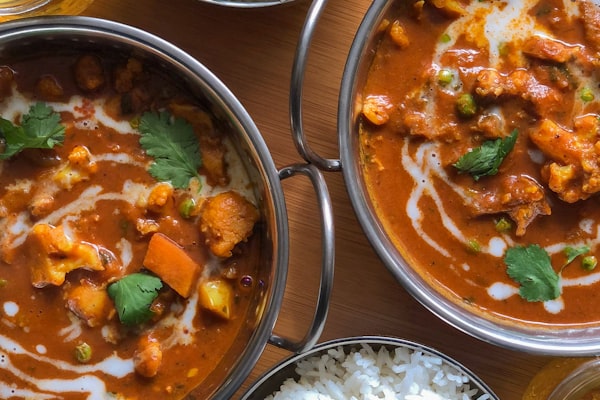
Traditional Dishes
Masor Tenga, Khar, Pitha - flavorful dishes reflecting riverine and agrarian traditions
Tea Culture
World-famous Assam tea, integral to Assamese identity and global beverage culture
Festival Foods
Special dishes prepared during Bihu and other festivals with traditional recipes
Regional Specialties
Jolpan, fermented foods, and dishes unique to different regions of Assam
Festivals & Celebrations

Rongali Bihu
Spring festival celebrating harvest and new year with traditional music and dance
Kongali Bihu
Harvest festival marking the end of paddy cultivation season
Ambubachi Mela
Annual fertility festival at Kamakhya Temple attracting devotees worldwide
Durga Puja
Grand celebrations with elaborate pandals and cultural programs
Economy & Industries
State GDP
Growing agricultural and industrial economy
India's Tea Production
World's largest tea producer
Energy Hub
Major petroleum and natural gas producer
Key Industries
- Tea Production & Processing - World's largest producer
- Petroleum & Natural Gas - Major energy producer
- Silk & Handloom Textiles - Muga, Eri, Pat silk traditions
- Bamboo & Handicrafts - Traditional artisanal products
- Tourism & Hospitality - Wildlife and cultural tourism
Agricultural Products
- Tea - 50% of India's production, premium quality
- Rice - Major food crop, traditional varieties
- Jute & Sugarcane - Cash crops and industrial raw materials
- Fruits & Spices - Pineapple, oranges, ginger, turmeric
- Bamboo & Timber - Sustainable forest products
Notable Personalities
Assam has produced extraordinary leaders, artists, writers, and athletes who have shaped India's cultural and political landscape.

Bhupen Hazarika
Assam
1926-2011
Legendary musician and composer, Bharat Ratna recipient, voice of Northeast India.

Gopinath Bordoloi
Assam
1890-1950
First Chief Minister of Assam, freedom fighter, and Bharat Ratna recipient.

Hima Das
Assam
Born 1999
Olympic sprinter, first Indian woman to win gold at World U-20 Championships.

Mamoni Raisom Goswami
Assam
1942-2011
Jnanpith Award-winning author, pioneer of modern Assamese literature.

Sankardev
Assam
1449-1568
Spiritual leader and reformer, founder of neo-Vaishnavism in Assam.

Madhavdev
Assam
1489-1596
Disciple of Sankardev, composer of devotional music and literature.

Birendra Kumar Bhattacharya
Assam
1924-1997
Jnanpith Award-winning poet and novelist, pioneer of modern Assamese literature.

Prafulla Chandra Ghosh
Assam
1891-1983
First Chief Minister of West Bengal, freedom fighter, and Assam native.
Modern Achievements & Innovation

Development & Progress
Assam has witnessed significant transformation since independence, with remarkable progress in infrastructure, education, and economic development. The state has successfully balanced traditional values with modern aspirations while preserving its rich cultural heritage.
From tea plantations to oil refineries, from Kaziranga's wildlife conservation to cutting-edge research in traditional medicine, Assam showcases India's journey from agriculture to innovation-driven development.
Development Statistics

Education & Research
- • Indian Institute of Technology Guwahati
- • National Institute of Pharmaceutical Education
- • Traditional medicine research centers
- • Agricultural universities
- • Digital education initiatives

Infrastructure
- • Brahmaputra rail and road bridges
- • Guwahati International Airport expansion
- • National Highway network improvements
- • Smart city initiatives
- • Renewable energy projects

Conservation
- • Kaziranga and Manas National Parks
- • UNESCO World Heritage sites
- • Biodiversity conservation programs
- • Ecotourism development
- • Climate change adaptation
Key Innovation Sectors
Tea Industry
Premium tea production and processing innovation
Oil & Gas Tech
Energy exploration and petroleum technology
Biotechnology
Research and development in life sciences
Logistics & Transport
River transport and multimodal connectivity
Discover the Land of Red Rivers and Golden Silk
Experience Assam's majestic Brahmaputra, ancient Ahom heritage, world-famous tea gardens, and the one-horned rhinoceros. Where tradition meets progress in Northeast India's cultural heartland.