
National Symbols
Explore the sacred symbols that represent India's identity, values, and heritage. From the Tricolor flag to the majestic Bengal Tiger, each symbol tells a story of our nation.
National Flag - Tiranga
The Indian National Flag, known as the Tiranga (Tricolor), consists of three horizontal stripes of equal width. The saffron represents courage and sacrifice, white symbolizes truth and peace, and green stands for faith and chivalry.
At the center lies the Ashoka Chakra, a 24-spoked wheel in navy blue, representing the eternal wheel of law and dharma. Designed by Pingali Venkayya, it was adopted on July 22, 1947.
Saffron
Courage & Sacrifice
White
Truth & Peace
Green
Faith & Chivalry
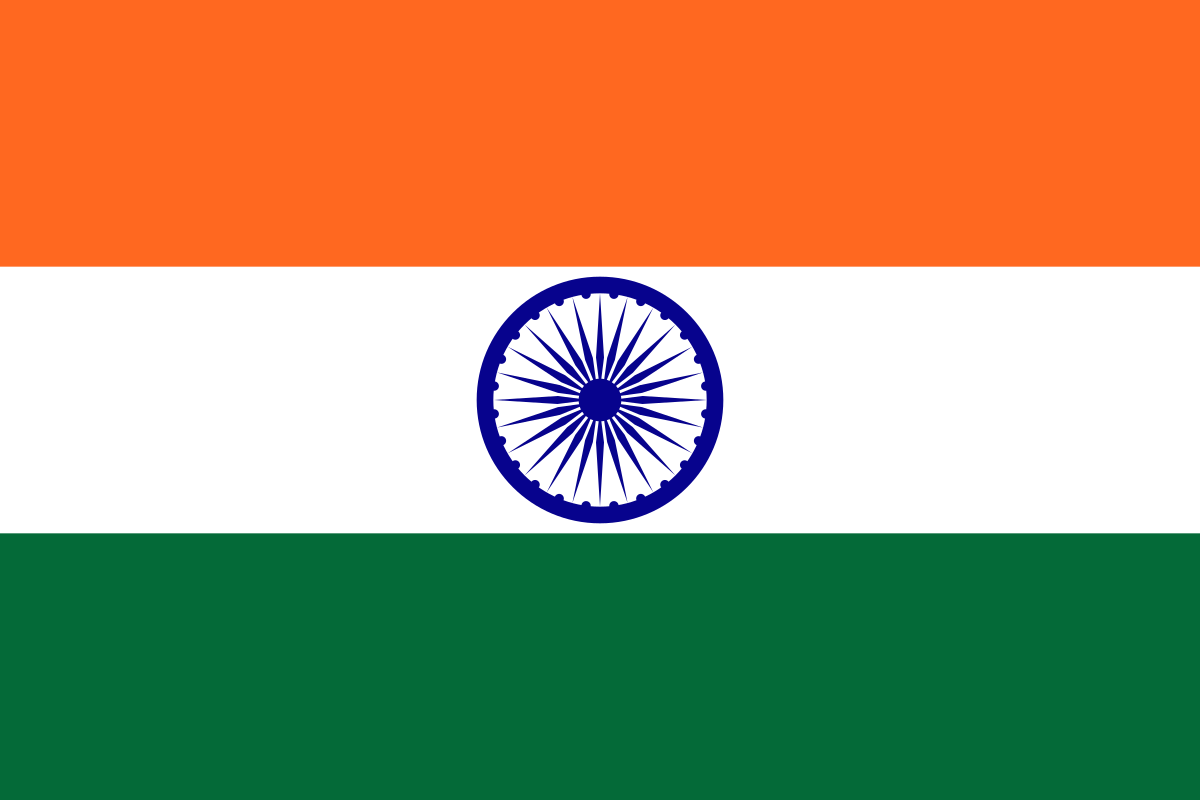
The Tiranga - Symbol of Unity in Diversity
National Emblem
The National Emblem is an adaptation of the Lion Capital of Ashoka at Sarnath. It features four Asiatic lions standing back to back, symbolizing power, courage, pride, and confidence.
Below the lions is the motto "Satyameva Jayate" (Truth Alone Triumphs) inscribed in Devanagari script, taken from the Mundaka Upanishad. The emblem was adopted on January 26, 1950.
Symbolism
- Four lions represent the four directions
- Dharma Chakra symbolizes righteousness
- Horse and bull represent speed and strength
सत्यमेव जयते
Satyameva Jayate
Truth Alone Triumphs
National Anthem & Song
Jana Gana Mana
National Anthem
Written by Rabindranath Tagore in 1911, "Jana Gana Mana" was adopted as the National Anthem on January 24, 1950. It is sung in 52 seconds and celebrates the diversity and unity of India.
First Stanza:
"Jana-gana-mana-adhinayaka, jaya he
Bharata-bhagya-vidhata..."
Vande Mataram
National Song
Composed by Bankim Chandra Chattopadhyay in 1876, "Vande Mataram" inspired the freedom movement. It was adopted as the National Song and holds equal status with the National Anthem.
Opening Lines:
"Vande Mataram
Sujalaam, suphalaam, malayaja sheetalam..."
National Fauna
Bengal Tiger
National Animal
Symbol of strength, agility, and grace. India is home to 70% of the world's tiger population.
Indian Peacock
National Bird
Represents grace, joy, beauty, and love. The male peacock's colorful plumage is world-renowned.
Ganges Dolphin
National Aquatic Animal
Endemic to the Indian subcontinent, represents the purity of the holy river Ganga.
King Cobra
National Reptile
World's longest venomous snake, revered in Indian culture and mythology.
National Flora
Lotus
National Flower
Symbol of purity, beauty, and spiritual awakening. Rises from muddy water to bloom magnificently, representing resilience and grace.
Banyan Tree
National Tree
Represents longevity, wisdom, and shelter. Its extensive root system symbolizes the unity and diversity of Indian culture.
Mango
National Fruit
Known as the "King of Fruits," represents prosperity, abundance, and the rich agricultural heritage of India.
National Calendar & Currency
Saka Calendar
The National Calendar of India is based on the Saka Era, adopted in 1957. It begins with Chaitra as the first month and is used alongside the Gregorian calendar for official purposes.
Indian Rupee (₹)
The Indian Rupee is the official currency of India. The rupee symbol (₹) was adopted in 2010, designed by D. Udaya Kumar, combining the Devanagari letter 'र' (ra) and the Latin letter 'R'.
State Symbols
Each of India's 28 states and 8 union territories has its own set of symbols representing their unique cultural heritage, natural wealth, and historical significance.
State Animals
Each state has a unique animal representing its wildlife heritage
State Birds
Avian species that represent the natural diversity of each state
State Flowers
Floral symbols representing the botanical heritage of states
State Trees
Trees that symbolize the forest wealth and ecology of states
Examples
Maharashtra
Indian Giant Squirrel, Green Pigeon, Jarul, Mango
Rajasthan
Camel, Great Indian Bustard, Rohida, Khejri
Kerala
Elephant, Great Hornbill, Kanikkonna, Coconut
Cultural Significance
State symbols reflect the unique biodiversity, cultural traditions, and historical importance of each region, fostering local pride and environmental awareness.
Conservation Role
These symbols help promote conservation efforts and create awareness about protecting the natural heritage of each state.
Historical Evolution
Pre-Independence
1857-1947
Various freedom movement flags including the first tricolor by Madam Bhikaji Cama in 1907, and the Swaraj flag adopted by the Indian National Congress.
Independence Day
August 15, 1947
The current tricolor flag was hoisted for the first time as the national flag of independent India at the Red Fort by Prime Minister Nehru.
Republic Day
January 26, 1950
The National Emblem was adopted, and the National Anthem was officially recognized. The Constitution came into effect, making India a republic.
Modern Era
1950-Present
Gradual adoption of various national symbols including national animal, bird, flower, tree, and the introduction of the rupee symbol in 2010.
Protocol & Usage
Flag Protocol
Hoisting Guidelines
- • Flag should be hoisted briskly and lowered slowly
- • Must be hoisted at sunrise and lowered at sunset
- • Should not touch the ground or water
- • Must be made of khadi or hand-spun cloth
Respect and Honor
- • No other flag should be placed higher
- • Should not be used for commercial purposes
- • Must be disposed of respectfully when worn out
- • Cannot be used as clothing or bedding
Anthem Protocol
Performance Guidelines
- • Should be sung in 52 seconds
- • Everyone must stand in attention
- • Played at official functions and ceremonies
- • Must be sung with respect and dignity
Occasions
- • Independence Day and Republic Day
- • State functions and ceremonies
- • International events representing India
- • Educational institutions daily assembly
Cultural Significance
Unity in Diversity
India's national symbols represent the country's philosophy of "Unity in Diversity." Each symbol has been carefully chosen to reflect the nation's rich cultural heritage, natural wealth, and spiritual values.
These symbols serve as unifying forces that transcend regional, linguistic, and religious differences, creating a shared national identity that binds all Indians together.
Spiritual Values
Lotus represents purity and spiritual awakening
Natural Heritage
Tiger and peacock showcase India's biodiversity
Cultural Wisdom
Banyan tree symbolizes knowledge and shelter
Historical Legacy
Ashoka Chakra connects to ancient Indian values
Modern Relevance
Educational Value
National symbols are taught in schools to instill patriotism and cultural awareness among young citizens.
International Recognition
These symbols represent India globally, appearing on official documents, currency, and diplomatic missions.
Conservation Awareness
National fauna and flora symbols promote environmental conservation and wildlife protection efforts.
Did You Know?
- The Indian flag is the only national flag in the world with a wheel (Ashoka Chakra) at its center.
- The National Anthem "Jana Gana Mana" mentions 5 rivers, 4 seas, and several regions of India.
- The lotus flower can live for over 1,000 years and is considered sacred in Hinduism and Buddhism.