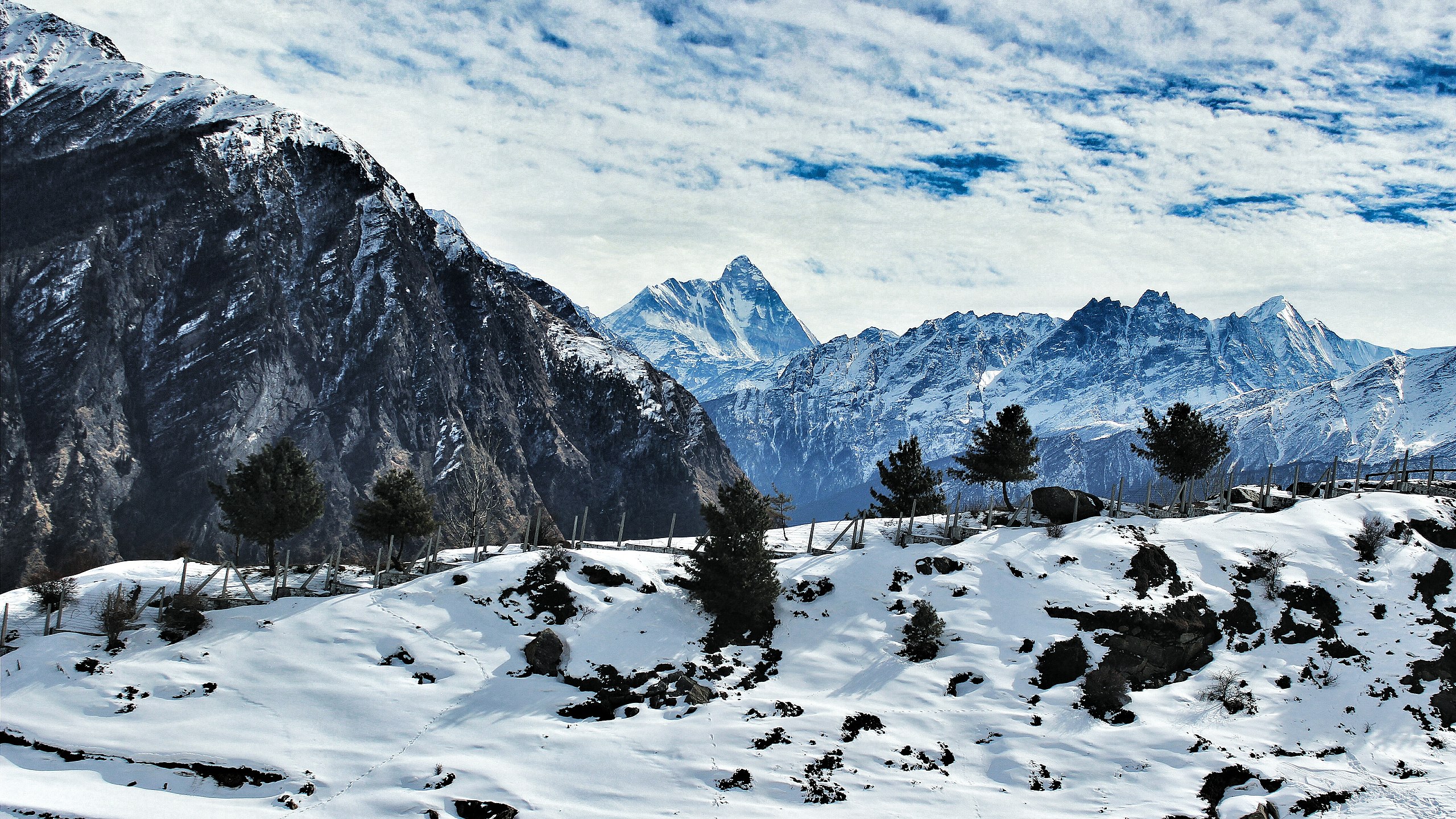
Guardians of Ancient Civilization
India's heritage sites stand as magnificent testimonies to over 5,000 years of continuous civilization. From the architectural marvels of the Mughal era to ancient Buddhist monasteries, these sites preserve the cultural DNA of the Indian subcontinent.
With 40 UNESCO World Heritage Sites, India ranks sixth globally in heritage preservation, showcasing an extraordinary diversity of architectural styles, religious traditions, and historical narratives that span millennia.
Heritage Statistics
- 40 UNESCO World Heritage Sites
- 32 Cultural Sites
- 7 Natural Sites
- 1 Mixed Site (Khangchendzonga)
- 3,600+ Protected Monuments (ASI)
UNESCO World Heritage Sites
India's 40 UNESCO World Heritage Sites represent outstanding universal value, showcasing the country's rich cultural and natural heritage
Cultural Heritage Sites (32 Sites)
Iconic Monuments
Taj Mahal (1983)
Symbol of eternal love, Mughal architectural masterpiece
Red Fort Complex (2007)
Mughal power center, Indo-Islamic architecture
Qutub Minar (1993)
Victory tower, early Indo-Islamic architecture
Humayun's Tomb (1993)
Precursor to Taj Mahal, garden tomb concept
Ancient Cave Complexes
Ajanta Caves (1983)
Buddhist art and frescoes, 2nd century BCE - 6th century CE
Ellora Caves (1983)
Multi-religious rock temples, Hindu-Buddhist-Jain
Elephanta Caves (1987)
Shiva temple sculptures, Trimurti masterpiece
Bhimbetka Rock Shelters (2003)
Prehistoric cave paintings, 30,000 years old
Temple Complexes
Khajuraho Group of Monuments (1986)
Chandela dynasty temples, intricate sculptures
Sun Temple, Konark (1984)
Kalinga architecture, chariot-shaped temple
Group of Monuments at Hampi (1986)
Vijayanagara Empire capital ruins
Group of Monuments at Pattadakal (1987)
Chalukya temple art synthesis
Rajasthan Heritage
- • Jantar Mantar, Jaipur (2010)
- • Hill Forts of Rajasthan (2013)
- • Jaipur City (2019)
Buddhist Heritage
- • Buddhist Monuments at Sanchi (1989)
- • Mahabodhi Temple Complex (2002)
- • Archaeological Site of Nalanda Mahavihara (2016)
South Indian Temples
- • Great Living Chola Temples (1987, 2004)
- • Group of Monuments at Mahabalipuram (1984)
Colonial & Modern
- • Churches and Convents of Goa (1986)
- • Victorian Gothic and Art Deco Ensembles of Mumbai (2018)
- • The Architectural Work of Le Corbusier (2016)
Natural Heritage Sites (7 Sites)
Kaziranga National Park (1985)
One-horned rhinoceros sanctuary, Assam
Keoladeo National Park (1985)
Migratory bird sanctuary, Bharatpur
Sundarbans National Park (1987)
Mangrove forests, Bengal tiger habitat
Nanda Devi and Valley of Flowers (1988, 2005)
High altitude biodiversity, Uttarakhand
Western Ghats (2012)
Biodiversity hotspot, endemic species
Great Himalayan National Park (2014)
High altitude conservation, Himachal Pradesh
Mixed Heritage Site (1 Site)
Khangchendzonga National Park (2016)
Sacred landscape combining natural biodiversity with cultural significance for local communities in Sikkim
Natural Value
High altitude ecosystems, rare flora and fauna, glacial landscapes
Cultural Value
Sacred mountain, traditional beliefs, indigenous communities
State-Protected Monuments
State governments protect thousands of monuments of regional importance, complementing ASI's national heritage preservation efforts
State Heritage Framework
State Archaeology Departments
Each state has dedicated departments for heritage protection
Regional Significance
Monuments important to local history and culture
State Heritage Acts
Legal frameworks for state-level protection
Community Heritage
Local monuments with cultural significance
Protection Categories
Grade I Monuments
Highest state protection level
Grade II Monuments
Significant regional heritage sites
Listed Buildings
Heritage structures with controlled development
Heritage Precincts
Historic areas and cultural landscapes
Rajasthan
- • 1,200+ protected monuments
- • Havelis of Shekhawati
- • Jain temples of Mount Abu
- • Bundi Palace complex
- • Bikaner Junagarh Fort
Tamil Nadu
- • 800+ protected monuments
- • Chettinad heritage mansions
- • Dravidian temple complexes
- • Colonial architecture in Chennai
- • Rock-cut temples in Mamallapuram
Karnataka
- • 600+ protected monuments
- • Hoysala temple architecture
- • Mysore Palace complex
- • Badami cave temples
- • Vijayanagara ruins at Hampi
Maharashtra
- • 500+ protected monuments
- • Maratha fort architecture
- • Colonial buildings in Mumbai
- • Buddhist caves at Karla
- • Peshwa palaces in Pune
State Heritage Statistics
Living Heritage Sites
Heritage sites that continue to serve their original purpose while maintaining historical significance and cultural practices
Active Religious Sites
Varanasi Ghats
Continuous religious practices for over 3,000 years
Meenakshi Temple, Madurai
Active Dravidian temple with daily rituals
Golden Temple, Amritsar
Sikh pilgrimage center with community kitchen
Jagannath Temple, Puri
Annual Rath Yatra festival tradition
Living Cultural Landscapes
Khangchendzonga Sacred Landscape
Indigenous communities maintaining traditional practices
Nilgiri Mountain Railway
Operational heritage railway since 1908
Sundarbans Mangroves
Traditional fishing communities and conservation
Rajasthani Stepwells
Community water management systems still in use
Traditional Crafts Centers
- • Varanasi silk weaving
- • Jaipur block printing
- • Mysore sandalwood carving
- • Kashmir carpet weaving
- • Channapatna toy making
Heritage Markets
- • Chandni Chowk, Delhi
- • Crawford Market, Mumbai
- • Devaraja Market, Mysore
- • Sardar Market, Jodhpur
- • Aminabad, Lucknow
Cultural Festivals
- • Kumbh Mela gatherings
- • Pushkar Camel Fair
- • Thrissur Pooram
- • Hemis Festival, Ladakh
- • Hornbill Festival, Nagaland
Archaeological Survey of India Sites
ASI protects over 3,600 monuments and archaeological sites of national importance across India, preserving the country's rich archaeological heritage
ASI Protection Framework
Centrally Protected Monuments
3,600+ monuments under direct ASI protection and maintenance
Archaeological Circles
34 circles across India for regional heritage management
Excavation Projects
Ongoing archaeological excavations revealing new discoveries
Conservation Science
Scientific methods for monument preservation and restoration
Categories of Protection
Ancient Monuments and Archaeological Sites Act (1958)
Legal framework for heritage protection
National Importance
Sites of exceptional historical and cultural significance
Prohibited and Regulated Areas
Buffer zones around monuments for protection
Documentation and Research
Comprehensive recording and scholarly studies
Indus Valley Civilization
Harappa, Punjab
Urban planning marvel, 2600-1900 BCE
Dholavira, Gujarat
Water conservation techniques, UNESCO site
Lothal, Gujarat
Ancient port and dockyard system
Kalibangan, Rajasthan
Pre-Harappan and Harappan settlements
Buddhist Heritage
Sanchi Stupa, Madhya Pradesh
Buddhist art and architecture, UNESCO site
Sarnath, Uttar Pradesh
Buddha's first sermon location
Amaravati, Andhra Pradesh
Satavahana period Buddhist site
Taxila, Pakistan (formerly)
Ancient university and Buddhist center
Rock Art Sites
Bhimbetka, Madhya Pradesh
Prehistoric cave paintings, UNESCO site
Edakkal Caves, Kerala
Neolithic petroglyphs and inscriptions
Jogimara Caves, Chhattisgarh
Ancient inscriptions and paintings
Udayagiri Caves, Madhya Pradesh
Gupta period rock-cut temples
Medieval Fortresses
Chittorgarh Fort, Rajasthan
Rajput valor and sacrifice, UNESCO site
Golconda Fort, Telangana
Qutb Shahi architecture and acoustics
Gwalior Fort, Madhya Pradesh
Hill fortress with multiple palaces
Daulatabad Fort, Maharashtra
Yadava and Tughlaq period fortress
ASI Conservation Statistics
Natural Heritage Sites
Biodiversity Hotspots
Western Ghats
Biodiversity hotspot with endemic species
Kaziranga National Park
One-horned rhinoceros sanctuary
Keoladeo National Park
Migratory bird paradise in Bharatpur
Manas Wildlife Sanctuary
Tiger reserve and elephant habitat
Mountain Ecosystems
Nanda Devi & Valley of Flowers
High altitude biodiversity and alpine flowers
Khangchendzonga National Park
Mixed natural and cultural heritage site
Sundarbans National Park
Mangrove forests and Bengal tiger habitat
Great Himalayan National Park
High altitude conservation area
Architectural Heritage Styles
Indo-Islamic Architecture
- • Mughal Style: Persian and Indian fusion
- • Delhi Sultanate: Early Islamic architecture
- • Deccan Style: Regional Islamic variations
- • Features: Domes, minarets, arches, gardens
- • Materials: Red sandstone, white marble, inlay work
Hindu Temple Architecture
- • Nagara Style: North Indian temple architecture
- • Dravidian Style: South Indian temple design
- • Vesara Style: Hybrid architectural form
- • Features: Shikhara, mandapa, garbhagriha
- • Sculptures: Intricate carvings and iconography
Rock-Cut Architecture
- • Buddhist Caves: Chaityas and viharas
- • Hindu Caves: Temple complexes in rock
- • Jain Caves: Monastic and worship spaces
- • Techniques: Excavation and carving methods
- • Art: Frescoes, sculptures, and reliefs
Intangible Cultural Heritage
UNESCO recognizes India's rich intangible heritage including traditional practices, performing arts, craftsmanship, and oral traditions
UNESCO Intangible Heritage List
Koodiyattam (2001)
Sanskrit theatre tradition of Kerala
Ramlila (2005)
Traditional performance of Ramayana
Kutiyattam (2008)
Classical Sanskrit drama of Kerala
Chhau Dance (2010)
Masked dance drama of eastern India
Recent Additions
Kalbelia Folk Songs and Dances (2010)
Rajasthani nomadic community traditions
Mudiyettu (2010)
Ritual theatre of Kerala
Sankirtana (2013)
Ritual singing and drumming of Manipur
Yoga (2016)
Ancient physical, mental and spiritual practices
Performing Arts
- • Classical dance forms
- • Folk music traditions
- • Puppet theatre
- • Storytelling traditions
- • Martial arts forms
Traditional Crafts
- • Handloom weaving
- • Metal craftsmanship
- • Pottery traditions
- • Wood carving
- • Jewelry making
Oral Traditions
- • Epic recitations
- • Folk tales
- • Proverbs and sayings
- • Traditional knowledge
- • Genealogical traditions
Festivals & Rituals
- • Seasonal celebrations
- • Life cycle rituals
- • Agricultural festivals
- • Religious ceremonies
- • Community gatherings
Intangible Heritage Statistics
Conservation Efforts
Comprehensive conservation strategies combining traditional methods with modern technology to preserve India's heritage for future generations
Current Challenges
Environmental Threats
Air pollution, acid rain, climate change effects on monuments
Urban Development Pressure
Encroachment, construction activities, infrastructure development
Tourism Impact
Visitor pressure, wear and tear, inadequate facilities
Natural Disasters
Earthquakes, floods, cyclones, weathering processes
Resource Constraints
Limited funding, skilled manpower shortage, technology gaps
Conservation Initiatives
Scientific Conservation
Advanced materials, chemical treatments, structural stabilization
Digital Documentation
3D scanning, virtual reality, digital archives
Preventive Conservation
Environmental monitoring, visitor management, protective measures
Community Participation
Local involvement, awareness programs, heritage education
International Cooperation
UNESCO partnerships, technical assistance, knowledge exchange
Adopt a Heritage Program
Public-private partnership initiative allowing organizations to adopt and maintain heritage monuments
- • Corporate social responsibility
- • Monument maintenance funding
- • Tourist facility development
- • Heritage awareness programs
HRIDAY Scheme
Heritage City Development and Augmentation Yojana for holistic development of heritage cities
- • Infrastructure development
- • Heritage conservation
- • Tourism promotion
- • Capacity building
Swachh Iconic Places
Special cleanliness initiative for iconic heritage sites under Swachh Bharat Mission
- • Waste management systems
- • Visitor facilities improvement
- • Community participation
- • Sustainable tourism practices
Conservation Statistics
Heritage Tourism
Heritage tourism contributes significantly to India's economy while promoting cultural understanding and preservation awareness
Economic Impact
Tourism Revenue
Heritage sites contribute ₹2.4 lakh crore annually to GDP
Employment Generation
42 million jobs in tourism and hospitality sector
Local Economy Boost
Hotels, restaurants, guides, transport services
Craft Revival
Traditional arts, handicrafts, and cultural products
Tourism Statistics
Domestic Visitors
1.8 billion domestic tourist visits annually
International Visitors
10.9 million foreign tourist arrivals (pre-pandemic)
Top Heritage Destinations
Taj Mahal, Red Fort, Ajanta-Ellora, Khajuraho
Foreign Exchange Earnings
₹1.94 lakh crore from international tourism
Cultural Significance
- • Identity preservation and pride
- • Educational value for visitors
- • Spiritual and pilgrimage tourism
- • Cross-cultural understanding
- • Artistic inspiration and influence
Sustainable Tourism
- • Visitor capacity management
- • Eco-friendly practices
- • Community-based tourism
- • Heritage interpretation centers
- • Responsible travel guidelines
Global Recognition
- • International prestige and soft power
- • Cultural diplomacy initiatives
- • Research and academic collaboration
- • UNESCO World Heritage status
- • Tourism awards and recognition
Heritage Tourism Impact
Threats to Heritage
India's heritage faces multiple challenges requiring urgent attention and comprehensive protection strategies
Environmental Threats
Air Pollution
Acid rain, particulate matter causing stone deterioration
Climate Change
Rising temperatures, extreme weather events
Water Damage
Flooding, groundwater changes, moisture problems
Natural Disasters
Earthquakes, cyclones, landslides
Human-Induced Threats
Urban Development
Encroachment, construction pressure, infrastructure projects
Tourism Pressure
Overcrowding, wear and tear, inadequate facilities
Vandalism and Theft
Graffiti, artifact theft, deliberate damage
Neglect and Misuse
Lack of maintenance, inappropriate use
Critical Cases
- • Taj Mahal yellowing due to pollution
- • Hampi monuments facing encroachment
- • Ajanta-Ellora caves moisture damage
- • Red Fort structural deterioration
- • Konark Sun Temple stone erosion
Emerging Threats
- • Digital heritage piracy
- • Unregulated tourism growth
- • Climate change acceleration
- • Urban sprawl pressure
- • Traditional knowledge loss
Risk Assessment
- • Heritage impact assessments
- • Vulnerability mapping
- • Early warning systems
- • Risk mitigation strategies
- • Emergency response plans
Heritage at Risk Statistics
Community Involvement
Local communities play a crucial role in heritage preservation through traditional knowledge, stewardship, and active participation
Community Roles
Traditional Custodians
Indigenous communities maintaining ancestral heritage sites
Local Guardians
Residents protecting neighborhood monuments and sites
Cultural Practitioners
Artisans, performers keeping traditions alive
Heritage Volunteers
Citizens participating in conservation activities
Participation Programs
Heritage Walks
Community-led tours and storytelling sessions
Adopt a Monument
Local groups taking responsibility for site maintenance
Heritage Education
School programs and awareness campaigns
Documentation Projects
Oral history collection and cultural mapping
Success Stories
- • Bishnoi community wildlife conservation
- • Khasi sacred groves protection
- • Rajasthani stepwell restoration
- • Kerala backwater conservation
- • Ladakhi monastery preservation
Capacity Building
- • Heritage interpretation training
- • Conservation skill development
- • Tourism guide certification
- • Traditional craft workshops
- • Digital documentation training
Economic Benefits
- • Heritage-based livelihoods
- • Cultural tourism income
- • Craft and souvenir sales
- • Homestay and guiding services
- • Festival and event management
Community Engagement Impact
Digital Heritage Preservation
Advanced digital technologies are revolutionizing heritage documentation, preservation, and accessibility for future generations
Digital Documentation
3D Scanning and Modeling
High-resolution 3D capture of monuments and artifacts
Virtual Reality Tours
Immersive experiences of heritage sites
Digital Archives
Comprehensive databases of heritage information
Photogrammetry
Creating 3D models from photographs
Technology Applications
Artificial Intelligence
Pattern recognition for damage assessment
Blockchain Technology
Secure provenance and authenticity records
IoT Sensors
Environmental monitoring and early warning
Augmented Reality
Enhanced visitor experiences and interpretation
Major Projects
- • Digital Hampi project
- • Virtual Ajanta-Ellora caves
- • 3D Taj Mahal documentation
- • Khajuraho digital preservation
- • Red Fort virtual museum
Benefits
- • Permanent digital records
- • Global accessibility
- • Educational resources
- • Research facilitation
- • Disaster recovery backup
Future Technologies
- • Holographic displays
- • Advanced AI analysis
- • Quantum computing applications
- • Metaverse heritage spaces
- • Neural interface experiences